Development / waitlist
Familiar
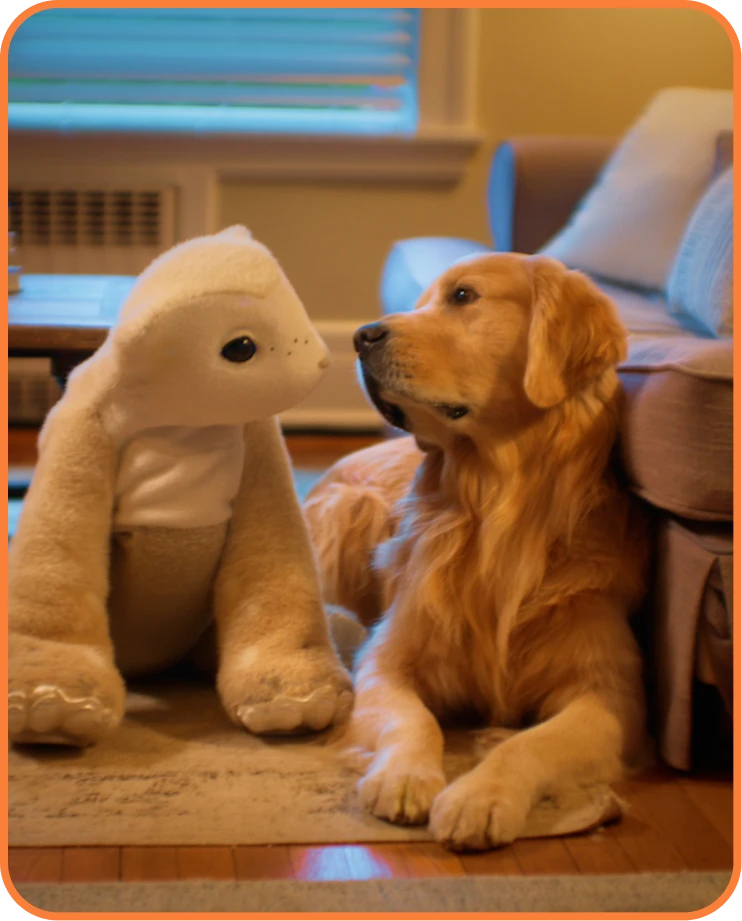
Dog-sized, four-legged, pet-inspired physical AI companion centred on touch, household memory and non-verbal emotional behaviour.
PriceTBA
Price basisNot announced
UK routeNo retail launch yet
MobilityAutonomous quadruped prototype
MemoryOn-device household memory and personality are central design goals
Reality check
Familiar is unusually interesting because the company is aiming for a persistent, embodied relationship. It says the robot will learn household rhythms, build memory and respond through animal-like body language. The product is still on a development waitlist, so buyers cannot yet test those roadmap claims at home.
What the evidence supports
- Movement
- Walking advertisedQuadruped movement promoted
- Conversation
- Not offeredPet-like nonverbal interaction
- Memory
- AdvertisedRoutines and familiarity promoted
- Touch / warmth
- AdvertisedContact and nuzzling promoted
- Sexual functionality
- Not offeredNot an adult product
- Privacy
- Not establishedFinal data terms not verified
- Household tasks
- Not offeredNo household manipulation
- Charging
- Not establishedDelivered behaviour not verified
Manufacturer site rechecked; UK price and consumer deliveries not verified.
Sources and checked dates
- Familiar Machines & Magic: Familiar Machines & Magic ↗Manufacturer · checked 17 September 2026