Casio Moflin
Palm-sized furry emotional companion with two-axis movement; it does not walk around the home.
£369UK retail
Manufacturer specifications
Manufacturer specifications
Robot pets
Moflin, Loona, LOVOT and Familiar approach companionship very differently. Depending on the product, you get character animation, recognition, home navigation, touch response or a growing interaction history. Those differences matter more than the shared “robot pet” label.
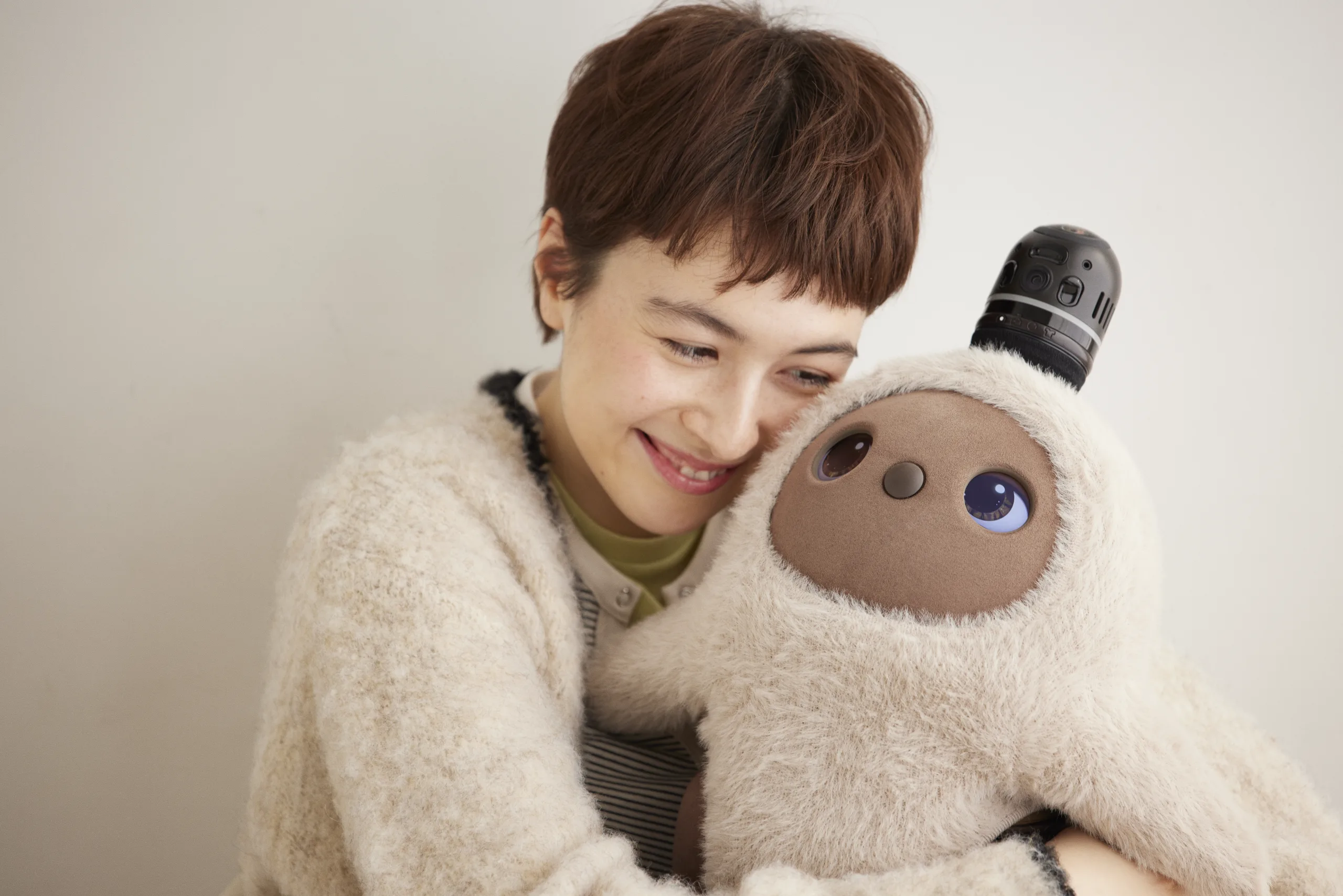
The most advanced robot pet may be the one that does fewer useful things on purpose.
LOVOT prioritises warmth, gaze, touch and recognition over chores. Familiar is aiming at similar emotional territory with much more ambitious memory and social-context claims. Moflin and Loona bring the category down to more familiar consumer prices.
Palm-sized furry emotional companion with two-axis movement; it does not walk around the home.
Wheeled expressive robot pet with face recognition, games, autonomous charging and GPT-enabled conversation.
Autonomous warm-bodied social robot built for care, touch and a slow-developing relationship; household chores are outside its role.
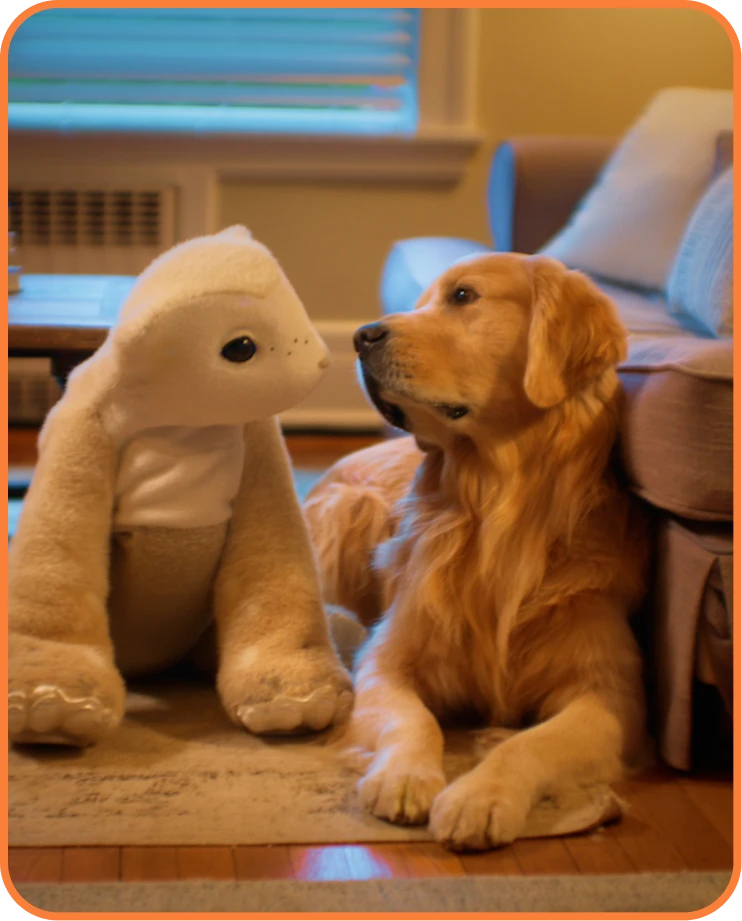
Dog-sized, four-legged, pet-inspired physical AI companion centred on touch, household memory and non-verbal emotional behaviour.
The useful test is repeated use: does the behaviour still feel worth engaging with after the novelty has worn off?
That is where memory, recognition, physical responsiveness and reliability matter. A clever animation can be charming for an afternoon. A companion product has to survive repeated contact without becoming predictable or irritating.
Enjoyment, comfort and habit are different claims from medical benefit. When manufacturers publish wellbeing studies, we look at the study design before repeating the conclusion.