TrendForce estimates the wider humanoid companion robot market at US$1.1bn by 2030.
Open source →Prices, access and market size
How big could the love robot market become?
Buying a body is only one route. The same hardware can be sold, leased, bundled with AI subscriptions or installed in places where people pay for access. Those models change who can afford it and what the market is worth.
“Love robot” is useful shorthand here for a physical adult or romantic companion with some AI interaction. We exclude pure chatbot apps and the much wider sextech market.


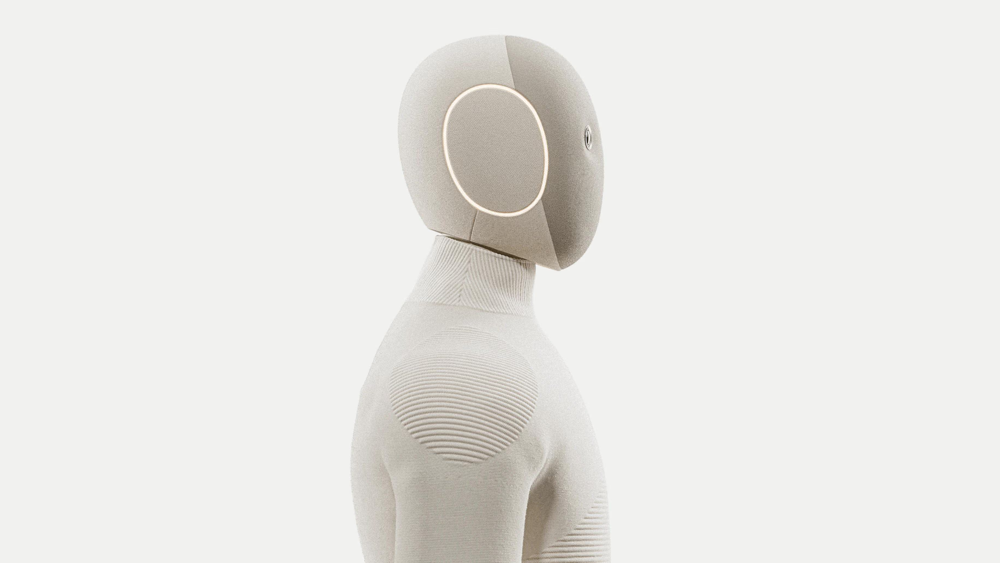
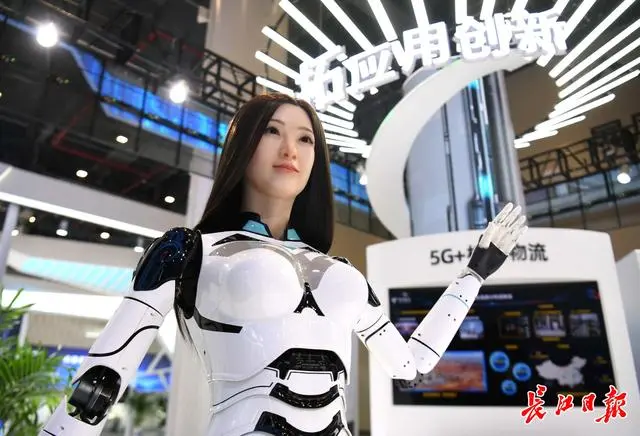
Ownership will be only one route
Early buyers can already spend the price of a used car, or considerably more, on adult-oriented hardware. Leasing could spread that cost across several years. A manufacturer could also separate the body from recurring AI, memory or personality services.
Venue-installed systems change the economics again. A specialist adult venue, private club or hotel could keep an expensive robot on site and charge for access rather than transferring ownership. One body could then serve many customers, although cleaning, maintenance, privacy, safety and local regulation become part of the operating cost.
We have a useful non-adult benchmark already: 1X lists NEO at $499 a month as well as $20,000 for Early Access ownership. That does not tell us how adult services will be priced, but it shows that humanoid makers are already testing robot-as-a-service economics. Check 1X pricing →
Scenario model dated 20 August 2026; numerical assumptions are unchanged. The product-price examples above were refreshed on 17 September. These are our scenarios, not measured market totals.
Our 2026–2035 scenario
TrendForce puts the whole humanoid companion robot market at $1.1bn by 2030. Our central case assigns roughly a third of that to adult and romantic hardware plus paid access. By 2035 the central case reaches $2.2bn a year.
The vertical bars are scenario ranges, not statistical confidence intervals. The range is deliberately wide because published forecasts for the broader humanoid market already disagree by tens of billions of dollars.
central scenario low–high scenario range
| Year | Low | Central | High |
|---|---|---|---|
| 2026 | $0.02bn | $0.06bn | $0.15bn |
| 2028 | $0.05bn | $0.15bn | $0.40bn |
| 2030 | $0.12bn | $0.35bn | $1.10bn |
| 2032 | $0.25bn | $0.80bn | $2.50bn |
| 2035 | $0.60bn | $2.20bn | $8.00bn |
Low and high values are scenario bounds, not statistical confidence intervals. The chart uses a logarithmic vertical scale so the early years remain visible.
What could move the range?
- Humanoid companion robots reach a real consumer market rather than remaining mainly demonstrations or prestige purchases.
- Romantic and adult use remains a minority of the wider humanoid companion market through 2030.
- Hardware prices fall, but service, maintenance and synthetic-body costs keep capable systems expensive for several years.
- Paid access expands beyond outright ownership through leasing, subscriptions and venue-installed systems.
- The model counts hardware and recurring access revenue, but excludes pure software companions and general sextech products.
The biggest swing factor may be access. If capable bodies remain expensive but venues, leasing and subscriptions spread the cost across many users, customer spending can grow faster than household ownership.
Published anchors
A relatively conservative wider humanoid-robot revenue forecast.
Open source →A much larger wider humanoid-robot forecast, illustrating how uncertain the category remains.
Open source →A much broader adjacent market. Romantic robots would still be a small slice even under an aggressive robot scenario.
Open source →